Posted on 12/19/2025
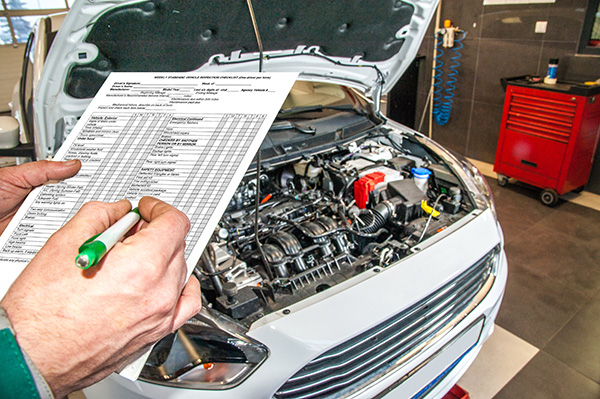
You turn the key, the engine starts, and it is easy to assume your car will keep doing that as long as there is fuel in the tank. In reality, every start, stop, bump, and hot day slowly wears on parts you never see. Maintenance is how you stay ahead of that quiet wear, so breakdowns feel rare instead of guaranteed. A little attention at the right time costs far less than calling a tow truck on the side of the road. Why Routine Maintenance Matters More Than Emergency Repairs Emergency repairs show up with smoke, strange noises, or warning lights, so they grab your attention. Maintenance works quietly in the background. Fresh fluids, clean filters, and simple inspections prevent many of those “sudden” failures from happening at all. Drivers who keep up with the basics usually see fewer surprises, better fuel economy, and a car that feels solid for mo ... read more
Posted on 11/28/2025
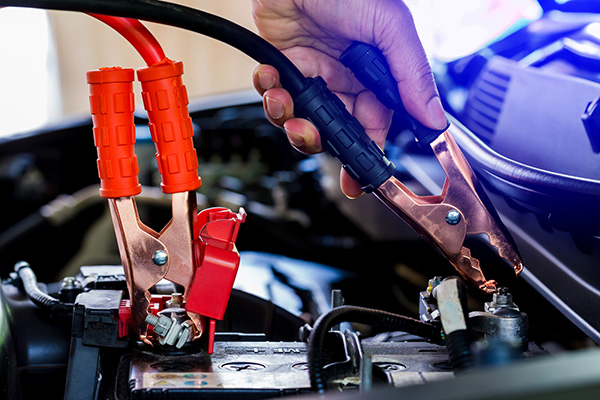
A jump-start can be perfectly safe, but only if you follow the right steps and know when to stop. Modern cars carry sensitive electronics, smart alternators, and sometimes start-stop systems that do not tolerate mistakes. Use this guide to decide whether to jump, how to do it correctly, and what to check afterward so the problem does not come back. When a Jump-Start Makes Sense A healthy car that simply sat too long or a battery near the end of its life are the usual candidates. If the starter clicks once, the dash lights dim during crank, and accessories work until you try to start, a low battery is likely. If the engine cranks at normal speed but will not fire, the issue is not a dead battery, so jumping will not help. We often see owners try multiple jumps for a no-start that really needs diagnostics. Quick Safety Checklist Park nose to nose or side by side with both ignitions off, parking brakes set, and transmissions in Park or Neutral. Inspe ... read more
Posted on 10/31/2025
Choosing engine oil used to be simple. Today, there are multiple viscosities, synthetic and conventional options, and specification codes that look like alphabet soup. The wrong choice can lead to noisy cold starts, timing problems, or deposits that build up quietly. The right oil helps your engine last longer, run smoother, and stay efficient. Here is how to pick correctly without the guesswork. Viscosity Numbers Are Not Just Labels The numbers on the bottle, such as 0W-20 or 5W-30, describe how the oil flows when cold and when hot. The first number with the W indicates cold start behavior. A lower first number flows faster on cold mornings, which helps protect parts during the first seconds after startup. The second number indicates thickness at operating temperature. Too thin when hot and the oil film can shear, too thick when cold, and it reaches moving parts too slowly. Your owner manual or oil cap lists a specific grade for your engine. Stick to it unless a ma ... read more
Posted on 9/26/2025
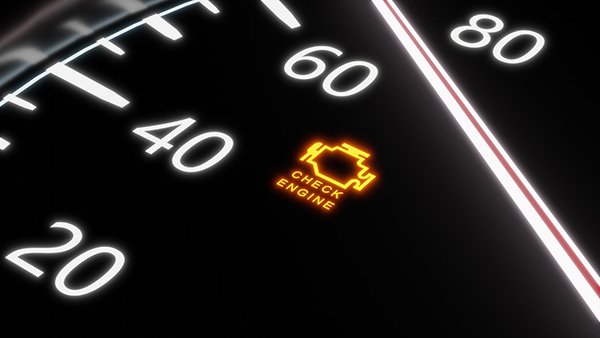
Many drivers have seen the check engine light appear on the dashboard at some point. When that light is solid, it typically signals a minor issue such as a loose gas cap or an aging sensor. A flashing check engine light, on the other hand, is far more serious. It usually means something is actively damaging your engine while you drive. The difference between a steady light and a blinking one is more than visual. It’s a warning that you should not ignore. What a Flashing Check Engine Light Often Means The most common cause of a blinking check engine light is an engine misfire. This happens when fuel fails to ignite properly in one or more cylinders. That unburned fuel travels through the exhaust system, where it can overheat and damage the catalytic converter. This component is expensive to replace and plays a key role in controlling emissions. A flashing light ... read more
Posted on 8/29/2025
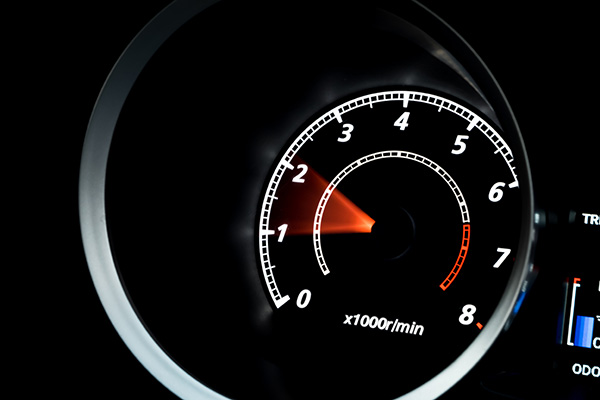
When your car is idling, it should run smoothly and steadily without shaking, sputtering, or vibrating excessively. A rough idle, where the engine feels unstable or inconsistent, is one of the first signs that something is wrong under the hood. While most drivers dismiss it as a minor inconvenience, it can point to problems that affect your engine’s performance, fuel efficiency, and long-term reliability. Ignoring it only allows the issue to worsen and can eventually lead to more expensive repairs. Common Causes of Rough Idle There are several potential reasons your vehicle might idle roughly, ranging from simple to complex. Clogged air filters, dirty spark plugs, or faulty ignition coils can all cause incomplete combustion, which results in a shaky idle. Fuel system issues, like dirty fuel injectors or low fuel pressure, can also cause inconsistent engine behavior. In some cases, vacuum leaks or carbon buildup in the intake manifold can disrupt the air-fuel ba ... read more