Posted on 8/28/2026
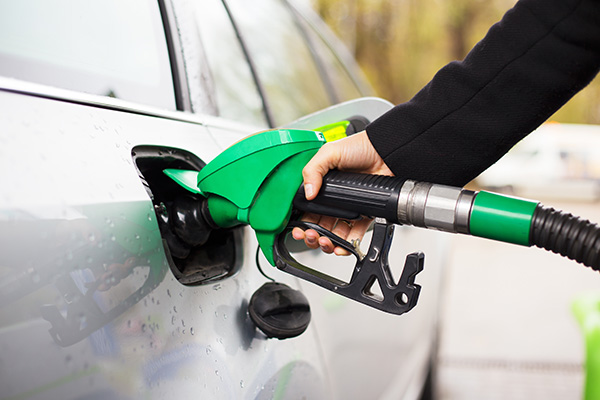
Fuel economy tends to change gradually, which makes a drop in MPG easy to miss. You might notice that a tank no longer lasts as long as it used to, or that your usual commute takes a little more fuel even though your driving habits have not changed much. Some variation is normal because traffic, weather, trip length, and how much time the engine spends idling all affect mileage. But when fuel use stays higher for several tanks, it is worth checking the condition of the engine, tires, and systems that affect how efficiently the car moves. Start With Tire Pressure and Rolling Resistance Underinflated tires create more rolling resistance, so the engine has to work harder to keep the vehicle moving. Even a modest pressure difference can also change handling and tire wear. Check tire pressures when the tires are cold and use the specification listed for the vehicle, not the maximum pressure printed on the tire sidewall. We also look for uneven tread wear, alignment prob ... read more
Posted on 7/31/2026
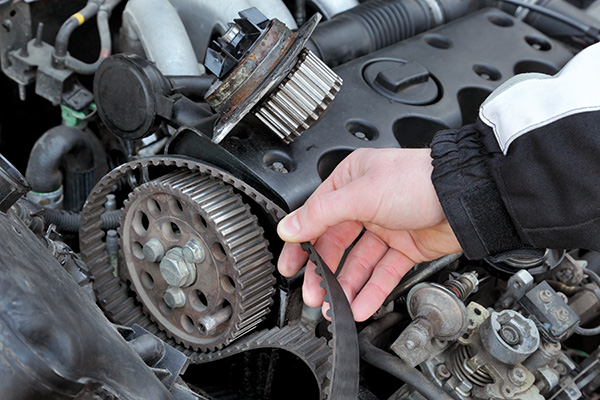
Many breakdowns begin with a small warning that seems easy to postpone. The engine takes an extra second to start, a belt squeaks in the morning, or a small coolant spot appears under the car. The vehicle still gets through the day, so the repair moves lower on the priority list. Unfortunately, worn parts do not follow a convenient schedule. Heat, traffic, long drives, and weather changes can push a weak component past its limit. These six commonly delayed repairs are responsible for many vehicles ending up on the shoulder or refusing to start in a parking lot. 1. Replacing A Weak Battery A battery often gives several warnings before it fails completely. The engine may crank more slowly, interior lights may dim during startup, or the car may need an occasional jump. Drivers sometimes assume the battery will keep working because it starts normally after being driven. Battery capacity continues to decline with age, heat exposure, and repeated discharge. A test can sh ... read more
Posted on 6/26/2026
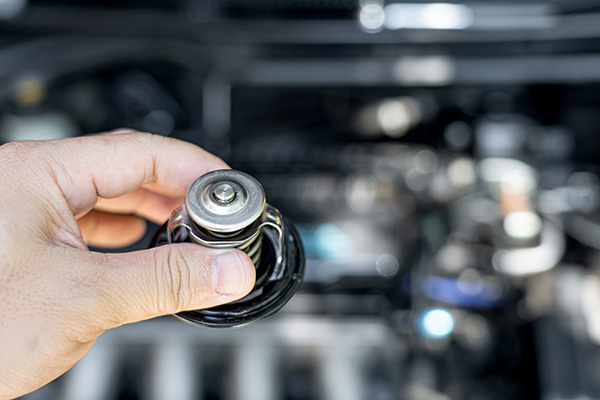
A failing thermostat is one of those car problems that often starts quietly. The vehicle may still run. The engine may not overheat every time. The heater may work one day and act strange the next. It is easy to brush off the early signs because they can seem small or inconsistent. At our shop, we see this happen all the time. A driver notices the temperature gauge acting a little differently than usual, or the cabin heat is not as steady, or the engine seems to take forever to warm up. Because the car still drives, it gets pushed down the list. Then one day the thermostat sticks at the wrong time, the engine gets too hot, and what could have been a manageable repair turns into a much more stressful situation. That is why thermostat problems are worth catching early. The thermostat may be a relatively small part, but it plays a major role in how your engine manages temperature. When it starts failing, the cooling system stops behaving the way it should, and the warning signs usually ... read more
Posted on 5/29/2026
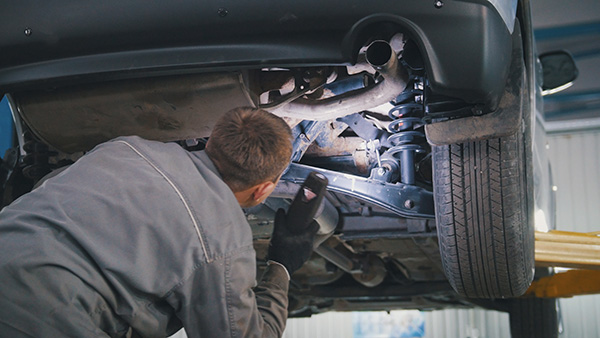
Bad shocks and struts can make a car feel strange before they make it feel broken. The vehicle still turns, stops, and gets you where you are going, but it no longer feels as settled as it used to. A familiar road starts feeling rougher. The front end dips harder at stop signs. The steering needs more small corrections on the highway. Those changes are easy to blame on tires, road conditions, or age. Sometimes that is part of the story, but worn shocks and struts can change the way the whole vehicle handles. Shocks And Struts Control Movement Shocks and struts do not hold the car up on their own. The springs carry the vehicle’s weight. Shocks and struts control how those springs move after bumps, dips, braking, and turns. When they are working correctly, the tires stay more evenly planted on the road. The body settles quickly after a bump. The vehicle feels predictable when you steer, brake, or change lanes. When shocks or struts wear out, that control fade ... read more
Posted on 4/30/2026

Buying a used car can feel like a great deal at first glance. The price is lower, the car looks clean, and the seller assures you everything is in good condition. On the surface, it may seem like an easy decision. What you cannot see right away is what matters most. Hidden issues, past damage, or neglected maintenance can turn that good deal into a costly situation. A pre-purchase inspection helps you understand exactly what you are buying before you commit. Hidden Problems Are Not Always Visible A car can look great on the outside and still have underlying issues. Problems with the engine, transmission, suspension, or electrical system are not always obvious during a short test drive. Even something as simple as uneven tire wear can point to deeper issues, such as alignment or suspension wear. Without a proper inspection, these details are easy to miss. Accident Damage ... read more