A hybrid has a lot more going on under the surface than a regular gas vehicle. Drivers usually think of the engine and the battery as separate components, but heat management is a key part of what makes the whole system work properly day after day. That is why hybrid cooling is not as simple as one radiator and one type of coolant doing every job.
In hybrid vehicles, there is more than one cooling system working at the same time.
Why Hybrids Need More Than One Way To Control Heat
A hybrid vehicle has to manage heat from more than one major source. There is still an engine generating heat the way a traditional vehicle does, but there are electric components that generate heat as well, including the battery, inverter, and other electronics. Those parts do not all like the same temperatures, and they do not always need to be cooled in the same way.
That is why hybrid vehicles end up with separate cooling systems. One part of the system may focus on the gasoline engine, while another protects the battery or hybrid electronics. If one side falls behind, the vehicle can lose efficiency, performance, and long-term reliability much faster than most drivers expect.
The Engine Still Has Its Own Cooling System
A hybrid still has an engine, so it still needs a traditional cooling system. That means coolant, a radiator, hoses, a thermostat, a water pump, and the rest of the familiar engine-cooling hardware found in many gas vehicles. That system prevents the engine from overheating and keeps it within the proper operating range.
In other words, the hybrid side does not replace the engine cooling. It adds to the vehicle’s overall cooling needs. If that engine-side system starts falling behind, the hybrid does not get a free pass. The engine can still overheat, leak coolant, or suffer the same cooling problems a conventional vehicle would.
The Hybrid Battery And Electronics Have Separate Cooling Needs
This is where things start to feel different from a regular gas vehicle. In many hybrids, the battery and power electronics have their own cooling system or their own dedicated cooling circuit. That may involve separate coolant passages, electric pumps, heat exchangers, or dedicated airflow designed specifically for hybrid components.
The reason is simple. Hybrid batteries and control electronics are sensitive to heat in a different way than the engine is. If temperatures climb too high, battery efficiency can drop, charging and discharge behavior will change, and long-term wear can speed up. The cooling system is there to protect those components before heat starts shortening their life.
Some Systems Use Coolant, Others Use Airflow
Not every hybrid cools every component the same way. Some systems rely heavily on coolant circuits, while others use fans and directed airflow for battery cooling. That means the answer to the title question is yes, but the exact design depends on the vehicle.
One hybrid may have a dedicated coolant loop for the inverter and hybrid electronics. Another may use liquid cooling in one area and air cooling in another. This is why hybrid service should never be approached with guesswork. The layout is more specialized, and knowing which system cools which component matters a lot during an inspection.
Why This Is So Important For Maintenance And Repairs
A lot of drivers think coolant service is only about preventing engine overheating. On a hybrid, that view is too narrow. Cooling system care may affect engine temperature, battery health, inverter protection, and overall hybrid performance, depending on the design of the vehicle. When coolant ages or a pump weakens, the problem spreads to multiple components.
That is why regular maintenance becomes so important on hybrids. A coolant issue that starts small becomes much more expensive if it reaches the battery or power electronics side of the system. We see this often with European vehicles in general. The systems are advanced, but they still rely on clean fluid, proper circulation, and timely service.
Signs A Hybrid Cooling System May Need Attention
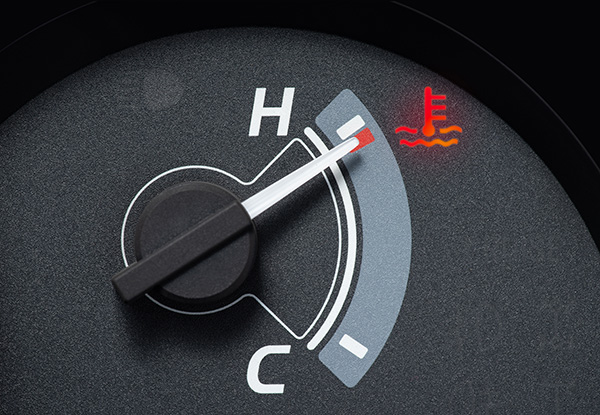
Hybrid cooling problems do not always look the same as standard engine cooling issues. Sometimes the temperature gauge rises the way you would expect. Other times, the vehicle may show warning messages, reduced performance, unusual fan noise, or changes in how the hybrid system operates.
A few clues that deserve attention are coolant loss, warning lights, reduced fuel economy, inconsistent cabin heat, or a hybrid system that seems to work less smoothly than it used to. These signs do not always point to one exact failure, but they do tell you the cooling system deserves a closer look before heat starts causing bigger trouble.
Get Hybrid Cooling System Service In Covina, CA, With TL Motors
If you drive a hybrid and want to stay ahead of cooling system problems, TL Motors in Covina, CA, can inspect your vehicle’s engine and hybrid cooling systems to help keep both systems working the way they should.
Bring it in before a small cooling issue turns into a much more expensive hybrid repair.