Many breakdowns begin with a small warning that seems easy to postpone. The engine takes an extra second to start, a belt squeaks in the morning, or a small coolant spot appears under the car. The vehicle still gets through the day, so the repair moves lower on the priority list.
Unfortunately, worn parts do not follow a convenient schedule. Heat, traffic, long drives, and weather changes can push a weak component past its limit. These six commonly delayed repairs are responsible for many vehicles ending up on the shoulder or refusing to start in a parking lot.
1. Replacing A Weak Battery
A battery often gives several warnings before it fails completely. The engine may crank more slowly, interior lights may dim during startup, or the car may need an occasional jump. Drivers sometimes assume the battery will keep working because it starts normally after being driven.
Battery capacity continues to decline with age, heat exposure, and repeated discharge. A test can show whether the battery still has enough power for reliable starting. The terminals, cables, alternator, and grounds should also be checked because a charging problem can leave even a newer battery too weak to start the engine.
2. Repairing A Coolant Leak
A small coolant leak may leave only a few drops beneath the vehicle or a faint sweet smell after driving. Topping off the reservoir can hide the symptom temporarily, but the leak usually becomes larger as hoses, plastic fittings, seals, or the water pump continue to deteriorate.
Once the coolant level falls too far, the engine can overheat quickly. The driver may lose cabin heat, see steam, or notice the temperature gauge climbing. Continuing to drive an overheating vehicle can damage the cylinder head, head gasket, and internal engine parts, turning a hose or fitting repair into a far more expensive problem.
3. Replacing A Worn Serpentine Belt Or Tensioner
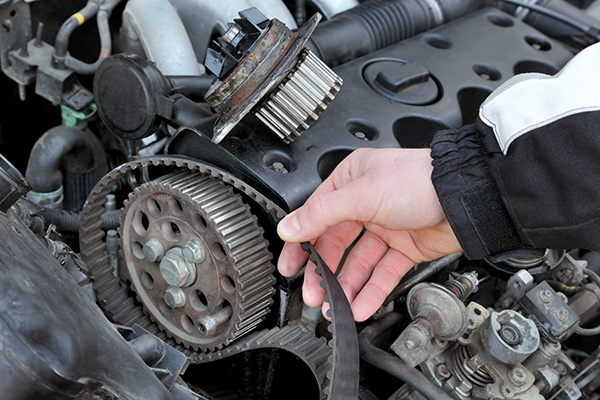
The serpentine belt drives important accessories such as the alternator, A/C compressor, power steering pump, and, on some engines, the water pump. Cracks, frayed edges, glazing, squealing, and visible wobble around the tensioner are signs the belt drive needs attention.
A broken belt can cause several systems to stop at once. The battery warning may appear, steering may become difficult, and the engine may begin overheating. Replacing the belt alone is not always enough, since a worn tensioner, rough pulley, leaking fluid, or misalignment may have caused the belt damage.
4. Fixing An Oil Leak Or Low Oil Condition
Oil leaks are often postponed because the vehicle continues running and the driver can add oil when the level drops. Common sources include valve cover gaskets, oil pan seals, filter housings, timing covers, and crankshaft seals. Some leaks remain minor for months, while others become worse without much warning.
Low oil can reduce lubrication and oil pressure, especially during turns, braking, or highway driving. Oil can also reach hot exhaust parts and create smoke or a burning smell. Regular maintenance should include checking the level and tracing leaks before the engine develops bearing, timing component, or internal damage.
5. Repairing A Failing Fuel Pump
A weakening fuel pump may cause longer cranking, hesitation, loss of power, or difficulty starting after the vehicle has been driven. The symptoms can come and go because the pump may perform better when cool and lose pressure after it heats up.
When the pump finally stops, the engine may crank normally but never start. Fuel pressure testing can help determine whether the pump, electrical supply, relay, filter, or another fuel system component is responsible. Waiting until the car refuses to run usually means arranging a tow instead of driving it to the shop.
6. Addressing Alternator And Charging Problems
A battery-shaped warning light usually indicates a charging system problem rather than confirming that the battery itself is bad. A weak alternator may still produce enough power for short trips while failing to recharge the battery fully. Flickering lights, multiple warning messages, and slow electrical accessories may appear as voltage drops.
Eventually, the vehicle begins operating only on the electricity stored in the battery. Once that energy is depleted, the engine can stall and may not restart. An inspection should include alternator output, battery condition, belt operation, terminals, grounds, and charging cables before one part is replaced based on the warning symbol alone.
Early Warning Signs Are Worth Taking Seriously
A vehicle may continue driving with a weak battery, coolant seep, oil leak, or charging concern, but that does not mean the condition is stable. A longer trip, hot afternoon, cold morning, or heavy electrical demand can expose the problem without warning.
Pay attention to new smells, fluid spots, delayed starting, warning lights, squealing, temperature changes, and reduced power. Handling these signs early often gives you more repair options and helps prevent damage to connected systems.
Get Preventive Auto Repair In Covina, CA, With TL Motors
If your car is becoming harder to start, losing fluid, showing warning lights, or making new noises, TL Motors in Covina, CA, can test the affected systems and identify worn parts before they cause a breakdown.
Contact us to schedule an appointment and address the warning signs before your vehicle leaves you stranded.